History & Roadmap
It all started with a walk.
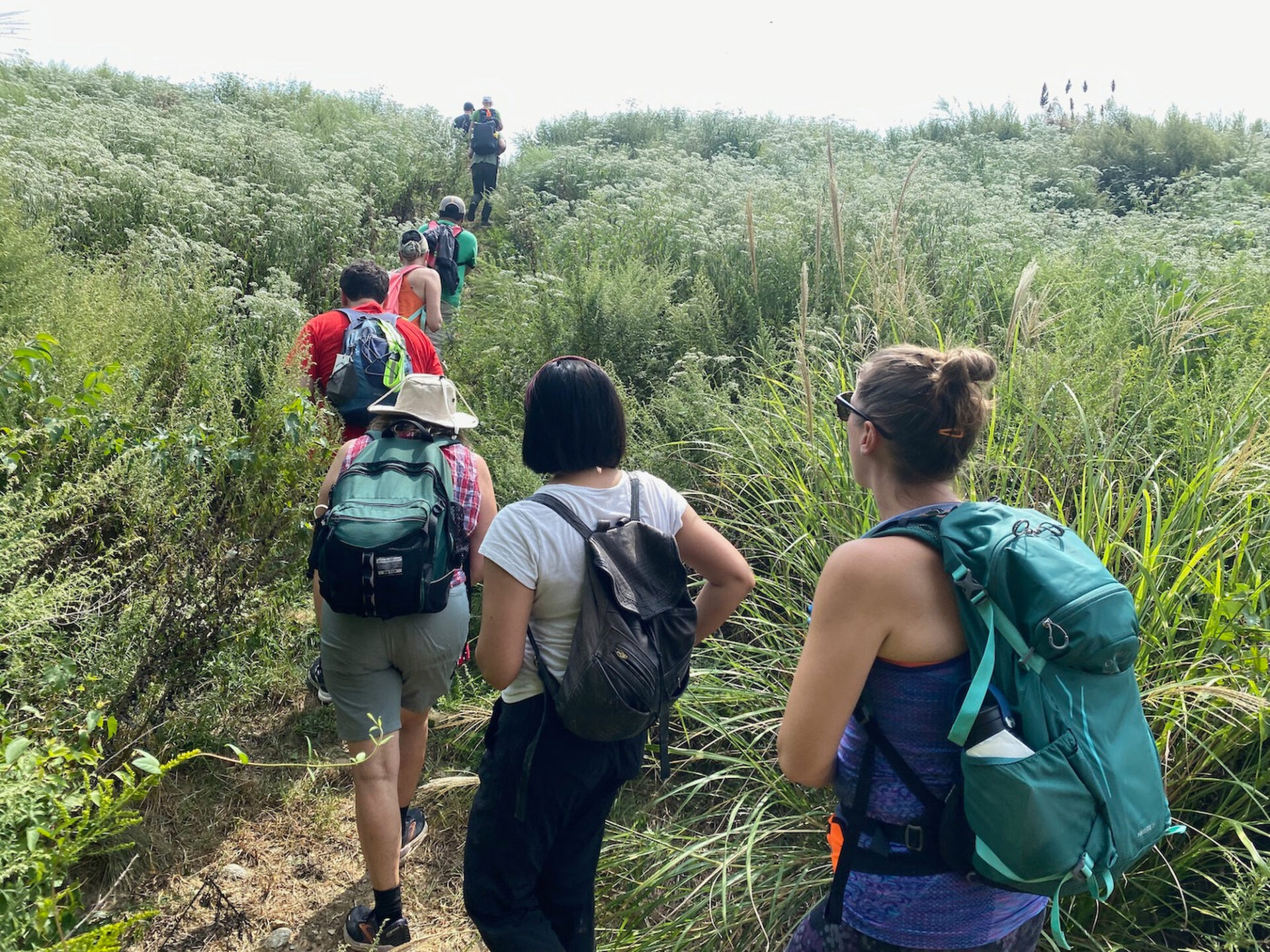
In February 2016, four artists set out to circumnavigate Philadelphia on foot as part of a five-day “Cross-Pollination” artist residency that offered space for creative exploration with no finished product in mind. None of them imagined that this simple experiment would plant the seeds of a project that would go on to reshape how many people relate to the city — and lay the foundation for a unique cultural phenomenon with the potential to connect the entire region.
-> The first walk
Walk Around Philadelphia:
a 30-year (R)evolution
Phase 1 — Origin & Personal Practice
(2016–2020)
Artistic experiment and embodied exploration. First 100-mile walk by four artists, emergence of shared values of curiosity, reflection & care.
Outcome:
A repeatable ritual rooted in artistic inquiry and community spirit.
Phase 2 – Public Project & Cultural Ecosystem
(2020–2025)
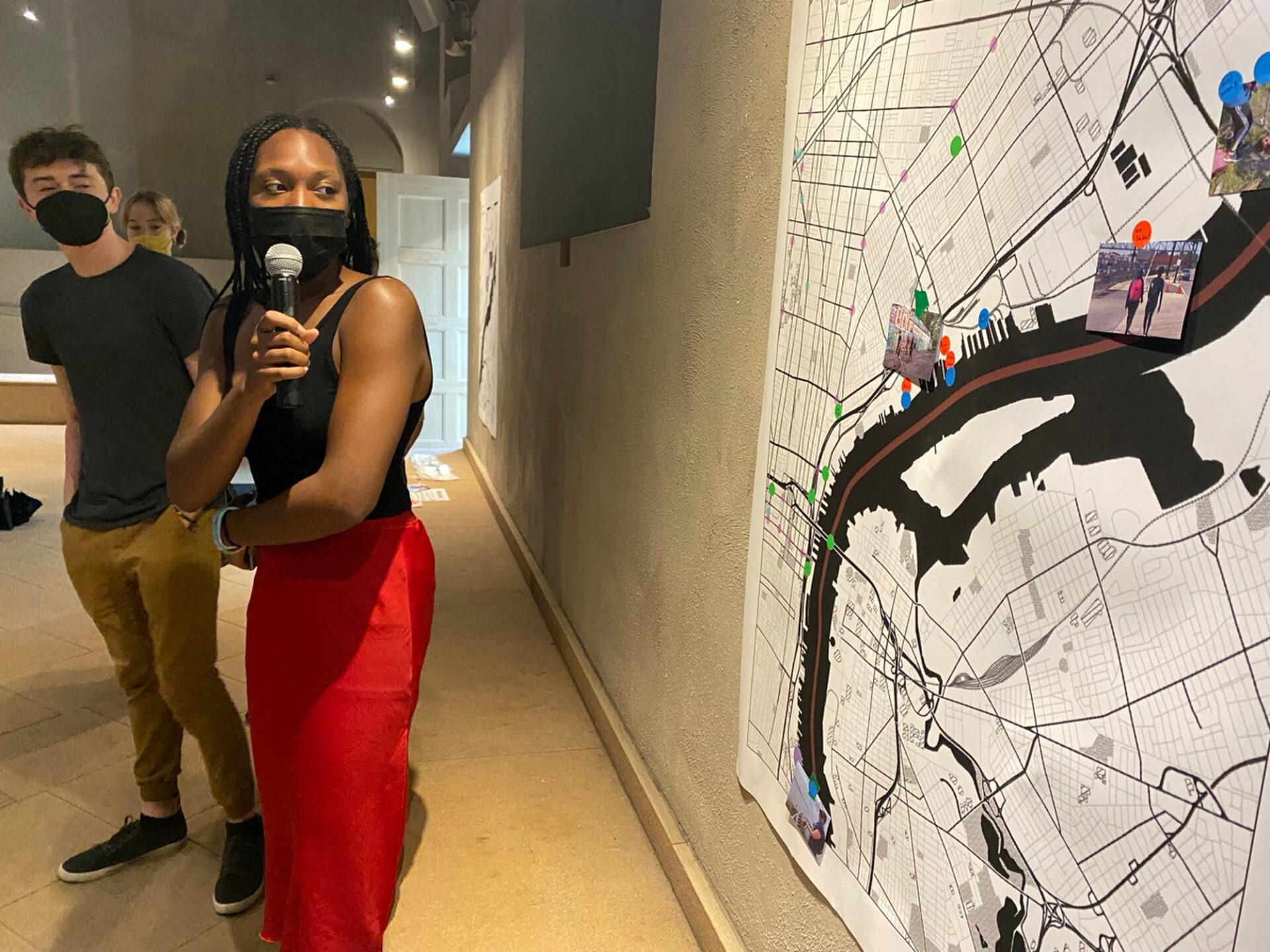
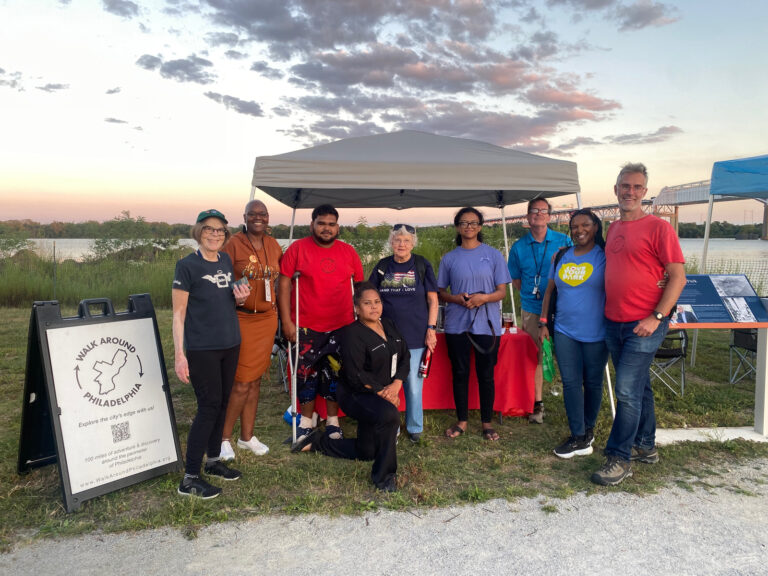
Expansion to biannual public walks, exhibitions, talks, and partnerships.
Launch of sliding-scale fees and stipends for equitable access.
Preliminary wayfinding installations, pilot French & Spanish walks. Volunteer outreach team.
OUTCOME:
Recognized public program with an emerging culture and equity model.
WE ARE HERE
Phase 3 — Organizational Maturation & Capacity Building
(2026–2030)
Formation of small staff, facilitator training, robust website, and deeper partnerships. Diversified funding base and scalable systems. More resources for DIY / self-organized groups.
OUTCOME:
Sustainable civic-arts organization preserving intimacy while expanding reach.
Phase 4 — Institutional Integration & Citywide Adoption
(2030–2035)
Embedded in education and civic life: K–12 curricula, university orientations, reentry programs.
OUTCOME:
Philadelphia rite of passage; leadership transition and sustainable structure.
Phase 5 — Legacy, Network & Cultural Institution
(2036–2046+)
City-supported cultural institution. Annual festival, continuous route, experiential tourism destination. City-supported wayfinding installations. Participant pool represents region’s demographics, and stipend rate matches poverty rate.
Outcome:
Global model for civic belonging and restorative practice.
We are building a future where:
- every young person has the opportunity to walk the city’s edge as part of experiential learning programs or as a graduation ritual
- arriving college/grad students and other new residents use the Walk to connect to place and community
- long-term residents use the walk to rediscover and find new wonder in the place they’ve always called home
- citizens returning from incarceration have the opportunity to use the walk as a transition ritual while earning stipends to support their reentry and walking alongside social service providers & prospective employers
- people of all backgrounds can participate through stipend support, and accessibility initiatives
- the Walk becomes a regional pilgrimage tradition that reconnects us to one another and to the land & water that hold the city